If several seem to fit
Which education homa is which
These four are the ones most often weighed against each other. They are not interchangeable — each addresses a different part of learning.
Booking more than one is customary, not excessive. Tradition often prescribes them in sequence — Vidya Ganapathi to clear the obstruction, then Saraswathi or Medha Dakshinamoorthy for the learning itself. Devotees preparing for major examinations frequently book two: one at the start of preparation, one in the fortnight before the paper.
Sacred timing
The most auspicious days for education rituals
Certain days are held especially potent for the deities of knowledge.
Vasant PanchamiMagha Shukla Panchami — Saraswathi's own festival, and the most auspicious day of the year to begin any learning.
VijayadashamiThe classical day for Vidyarambham — a child's first letters, and the resumption of study after Navratri.
Sharad NavratriHer worship falls on the final days: avahanam on Moola nakshatra, puja on Purva Ashadha, visarjan on Uttara Ashadha.
Guru PurnimaThe festival of the Guru–Shishya tradition — especially meritorious for Dakshinamoorthy, Shiva as the cosmic Guru.
Thursdays & Panchami tithiThursday belongs to Guru, the planet of learning; the fifth lunar day is Saraswathi's.
Moola nakshatraSaraswathi's birth star, recurring monthly — the strongest regular window for her rituals.
You do not need to wait for one of these days. Whenever you book, our astrologers calculate the muhurta from the student's own birth chart — a date chosen for them personally, which tradition regards as more precise than a calendar date chosen for everyone. If an examination is approaching, tell us the date at checkout and we will find the earliest auspicious window before it.
Why a homa is performed for learning
In the Vedic tradition, knowledge is not treated as a possession to be acquired but as a grace to be received — which is why Saraswathi is worshipped before study begins rather than after it succeeds. The homa is the form that worship takes when the intention matters most: offerings placed into a consecrated fire with mantra, carried by Agni directly to the deity invoked.
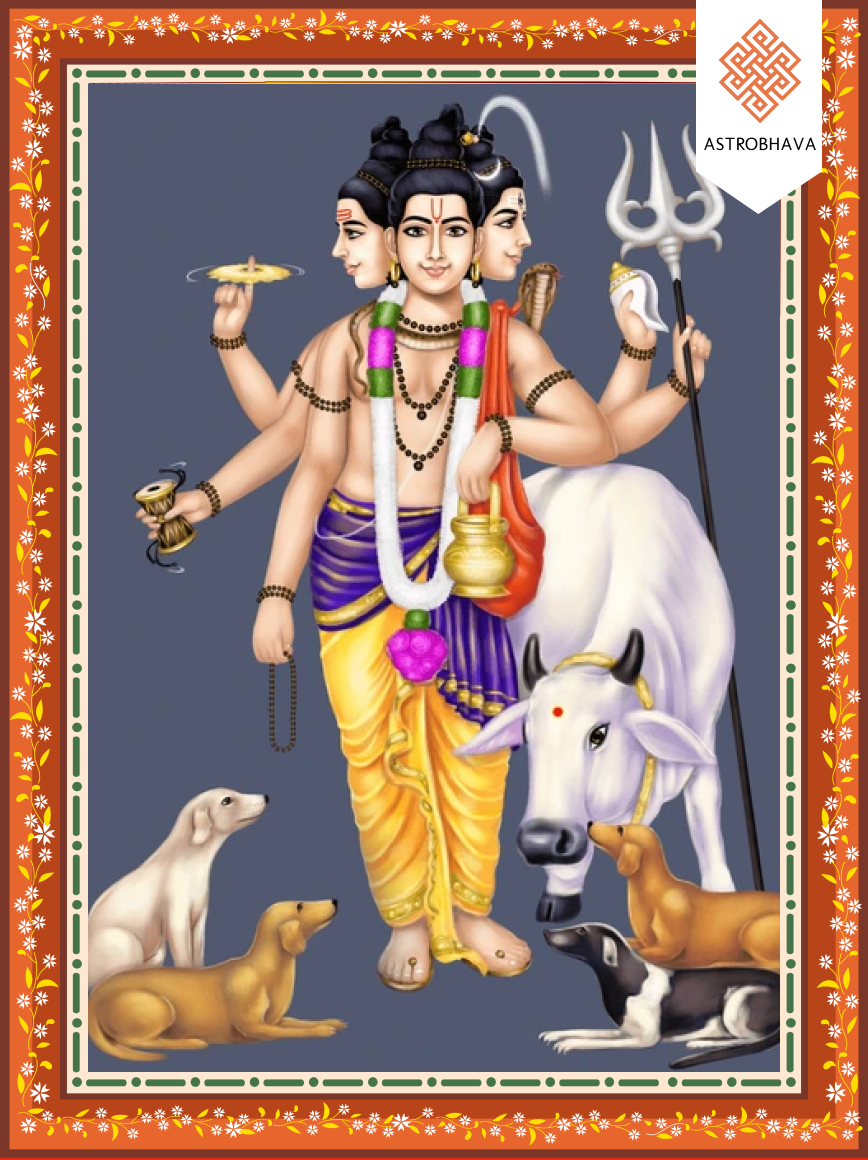
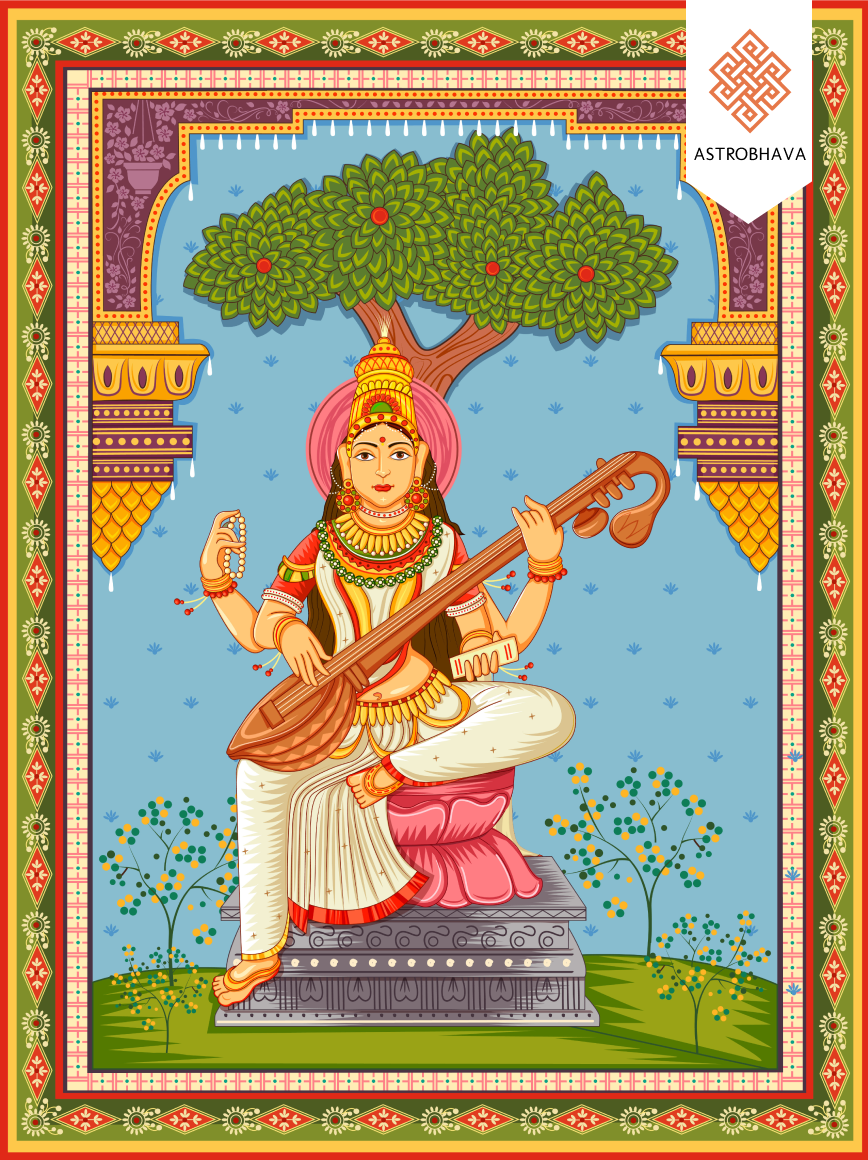
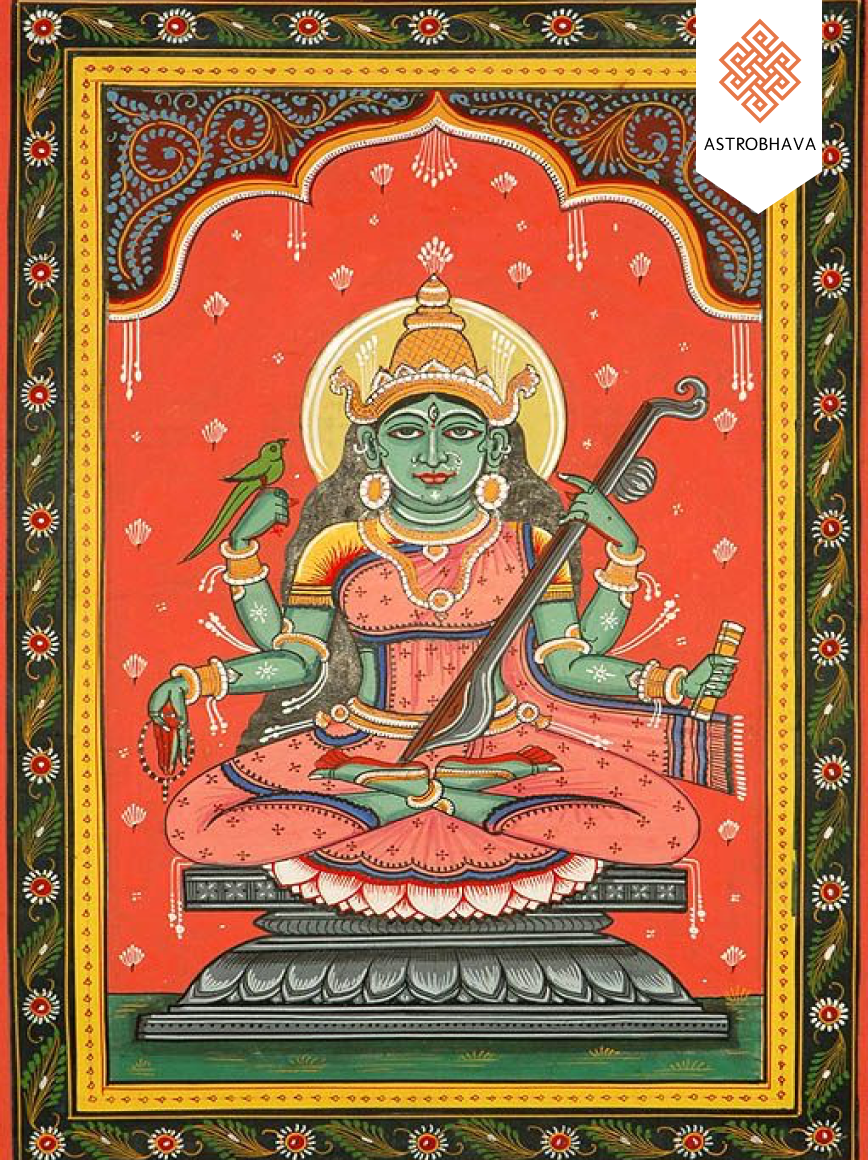
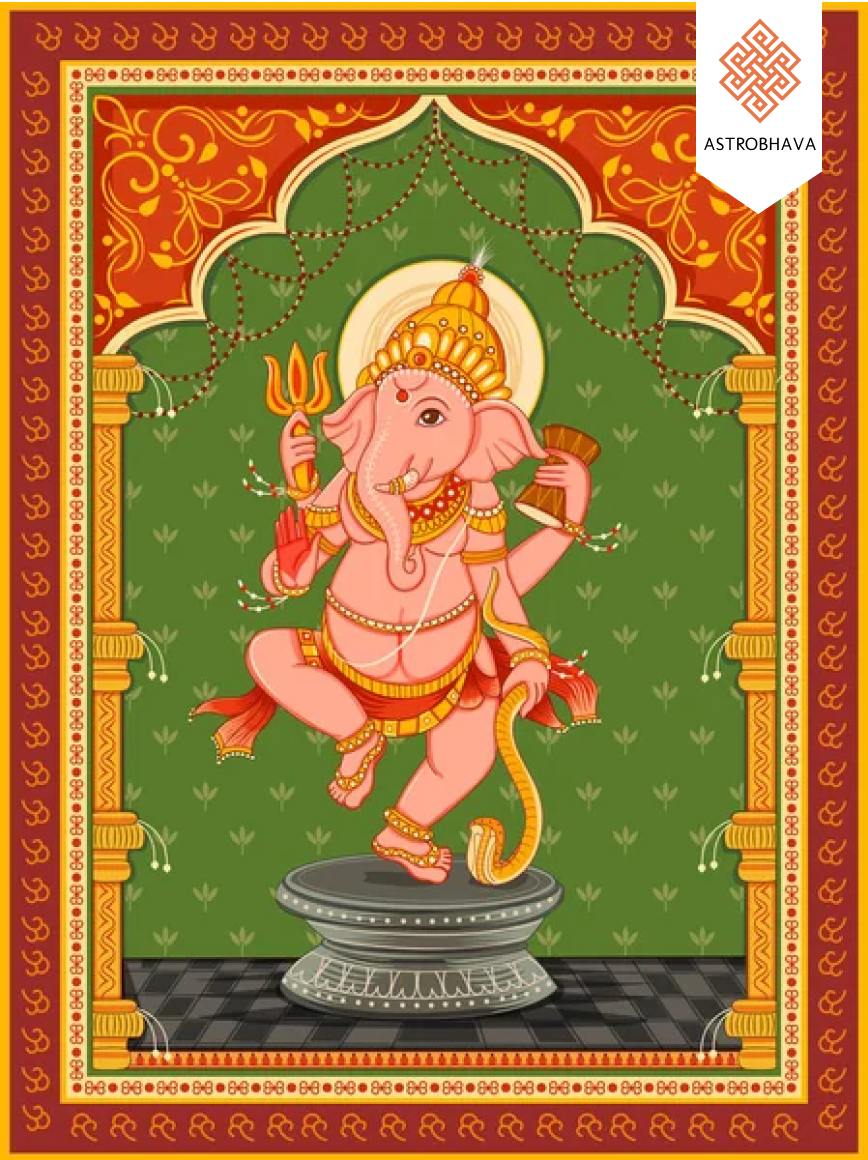
The rituals gathered here address different parts of the same difficulty. Saraswathi is invoked for knowledge itself and for the arts; Dakshinamoorthy, Shiva as the silent Guru, for medha — the retentive faculty; Hayagreeva, who recovered the stolen Vedas, for subjects that resist mastery; and Vidya Ganapathi for the obstructions that stand before study can begin at all. Which applies depends less on the examination than on where the difficulty actually lies.
Every ritual on this page is performed at our own Yagna Ashram in Coimbatore by priests trained in traditional Padashalas, in the student's own name and gotra, and telecast live so you may witness it wherever you are. Prasadam and a free energised yantra, sealed in a silver amulet, are shipped to you at no charge.
 ॐ
Maha Homa
ॐ
Maha Homa
 ॐ
Maha Homa
ॐ
Maha Homa
 ॐ
Maha Homa
ॐ
Maha Homa
 ॐ
Maha Homa
ॐ
Maha Homa